Edinburgh Literary Heritage: A City of Stories
There is a curious alchemy in Edinburgh’s stone, a dense grey material that seems to absorb the ink of centuries. Long before the neoclassical facades of the New Town mirrored the rational ambitions of the Enlightenment, Edinburgh was already a quiet archive of oral histories, dramatic balladry, and shadowy wynds. Every metropolis carries a distinct physical silhouette, yet few are so intrinsically mapped by the architecture of the written word. To walk along the cobbled spine of the Royal Mile is to traverse a living manuscript, where the ghosts of poets, pamphleteers, and pioneering publishers still pace the atmospheric closes.
This enduring literary identity did not emerge by mere coincidence; it was forged through a deliberate cultivation of intellectual exchange, institutional vision, and commercial enterprise. From the early days of printing presses tucked into damp timber closes to the magnificent reading rooms of modern cultural landmarks, the Scottish capital has long understood that books are the true anchors of civic memory. The city’s cultural geography is defined by a deep-seated reverence for narrative, connecting its vibrant community life in Edinburgh directly to the global currents of philosophy, fiction, and scholarly debate.
The Rise of Publishing and the Printed Word
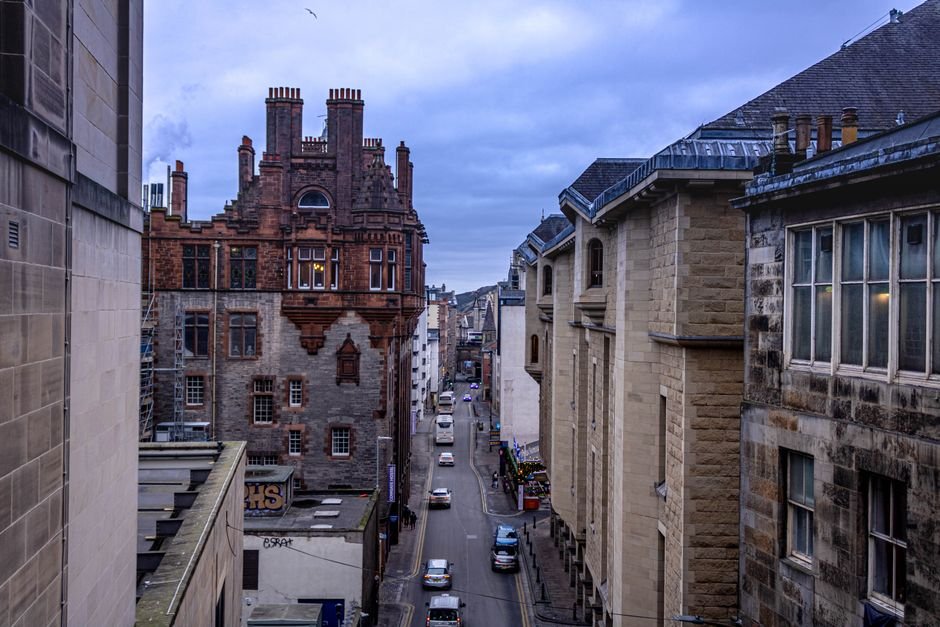
The transformation of Edinburgh into a powerhouse of print began in earnest at the turn of the sixteenth century. When Walter Chepman and Androw Myllar established Scotland’s first printing press under royal patent in 1507, they set in motion a vast cultural machinery. Suddenly, local vernacular, ecclesiastical decrees, and European classical texts could be multiplied and distributed with unprecedented speed. This technological shift laid the bedrock for a burgeoning public sphere, moving literature from the guarded scriptoria of monasteries into the bustling marketplaces and coffee houses of the Old Town.
By the eighteenth and early nineteenth centuries, this commercial foundation matured into a golden age of publishing. Visionary figures like Archibald Constable and William Blackwood turned Edinburgh into a formidable rival to London. The launch of the Edinburgh Review in 1802 transformed critical journalism into an intellectual art form, while the publishing house of W. & R. Chambers democratised knowledge for the working classes through affordable periodicals. Authors such as Sir Walter Scott found themselves at the centre of a thriving industrial ecosystem where paper mills, printing workshops, and bookshops operated in tight, symbiotic harmony across the urban landscape.
Institutions of Knowledge: Libraries and Archives
A city’s literary soul requires secure repositories to endure, and Edinburgh has long excelled in the preservation of human thought. At the heart of this archival tradition stands the National Library of Scotland, a legal deposit institution holding millions of items that trace the intellectual trajectory of the nation. Its vast collections house everything from medieval manuscripts and handwritten drafts by Robert Burns to the working papers of modern literary giants. These climate-controlled vaults serve as silent witnesses to the restless curiosity of generations of scholars.
Complementing these national collections are civic institutions that bring texts directly to the populace. The Edinburgh Central Library on George IV Bridge, funded largely by the industrialist Andrew Carnegie and opened in 1890, offered an expansive palace of reading for everyday citizens. Furthermore, the city is punctuated by remarkable specialised libraries, such as the Scottish Poetry Library tucked away near the Royal Mile. These institutions ensure that Edinburgh literary heritage remains an accessible, breathing tradition rather than a dusty museum exhibit, inviting contemporary readers to engage directly with the voices of the past.
Independent Bookshops and Local Traditions
Beyond institutional archives, the living pulse of Edinburgh’s reading culture beats within its independent bookshops. Long before the era of algorithmic recommendations and global e-commerce, the city’s independent traders acted as vital cultural curators. Establishments scattered from the sloping lanes of the West Port to the bohemian avenues of Bruntsfield offer eclectic selections where rare antiquarian volumes sit comfortably alongside contemporary Scottish fiction. These physical spaces foster intimate encounters between reader and writer, sustaining a distinct conversational tradition that corporate retail chains can rarely replicate.
This commercial independence is mirrored in the city’s rich traditions of storytelling and performance. The legacy of Robert Louis Stevenson, who conjured tales of dual identity from the atmospheric contrasts of the Old and New Towns, continues to inspire local writers. Similarly, the shadow of Muriel Spark—with her sharp, precise observations of Edinburgh’s bourgeois hypocrisies—lingers over the Georgian squares. Annual gatherings such as the Edinburgh International Book Festival have institutionalised this love for discourse, transforming Charlotte Square Gardens into a global tented village of ideas where international voices converse with local literary traditions every single August.
A UNESCO City of Literature
In recognition of this profound historical depth and ongoing contemporary vitality, Edinburgh was designated the world’s first UNESCO City of Literature in 2004. According to official designations by the international cultural body, this prestigious title celebrates cities that demonstrate a deep commitment to books, publishing, and literacy initiatives, while fostering a vibrant literary ecosystem. For Edinburgh, this accolade was a natural acknowledgment of a status earned over centuries of writing, publishing, and critical debate.
The UNESCO designation serves as both a celebration of past achievements and a dynamic framework for future cultural development. It highlights the city’s unique concentration of literary associations—from the plaques marking historic publishing houses to statues commemorating world-famous characters born from local imaginations. Ultimately, this global recognition reinforces Edinburgh’s identity as a place where the written word is not merely consumed, but actively inhabited. In every stone archway, shadowed close, and quiet reading room, the city continues to write its enduring story.